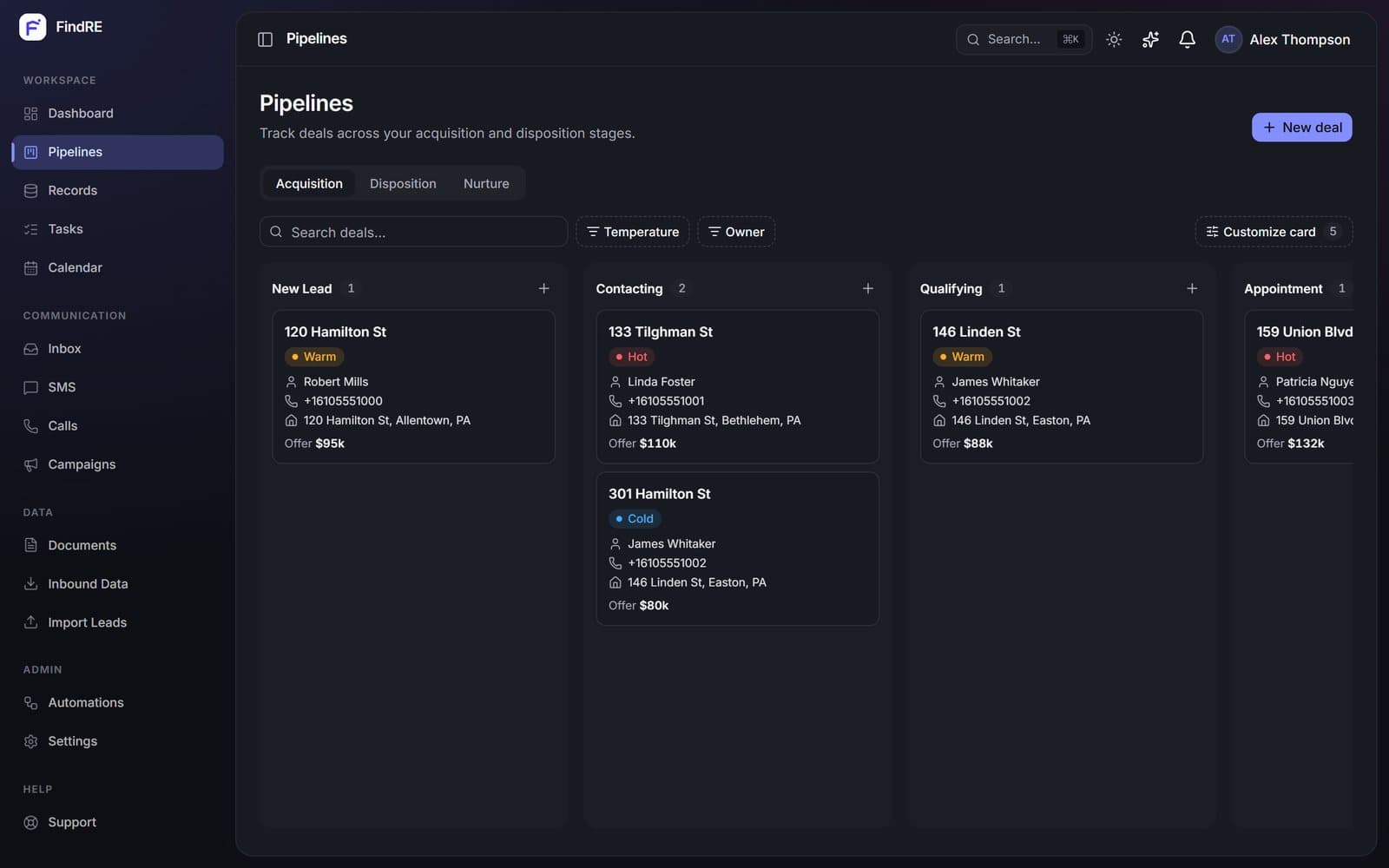
FindRE
A multi-company CRM with calling, SMS, e-signatures and AI features, now offered as a product.
Abdur Rehman is a full-stack developer who builds SaaS first versions meant to last: login and roles, per-customer data separation, Stripe billing, an admin panel and background jobs, with AI features where the product needs them. He has built FindRE, PropVPS, Scribeside and Crane Plan Pro this way.
Last reviewed
Login with roles and optional two-factor, data separated per customer account, and an admin panel for users, plans and settings.
Stripe subscriptions or credits with a customer portal, and webhooks that handle renewals, failures and cancellations properly.
Built in small slices with a staging link after each one, so you test as we go instead of at the end.
Deployed to Vercel, Railway or AWS on your domain, with handover docs and the code in your GitHub.
Only what a paying customer needs to get the core value, plus the plumbing you cannot skip: secure login, data separated per customer, billing, and a way for you to manage users. Everything else waits until real customers ask for it.
Cutting features is fine. Cutting security, billing correctness or data separation is how MVPs get rewritten.
Usually Next.js with Supabase or a Node.js and PostgreSQL backend, Stripe for billing and TypeScript throughout. It is a stack that ships fast, scales further than most startups ever need, and is easy to hire for later.
Yes. Summaries, chat, document extraction or an agent that acts on the user’s data, using Claude or OpenAI with usage limits and cost tracking, so your AI costs scale with revenue rather than ahead of it.
Look for one person who can own the whole product: the interface, the backend, billing and deployment. For a first version that matters more than depth in any one layer, because the risky parts (payments, permissions, data separation) sit where the layers meet.
Then check the work rather than the résumé. Open a product they built and pay for something in it. Ask how they handle a failed renewal, a customer who must not see another customer’s data, and a job that takes longer than a web request allows. Give a short paid scope before a long one, and make sure the code and the accounts are yours from day one.
Hourly rates vary widely with seniority and region, which is why I quote a fixed price for an agreed scope instead of billing by the hour.
A multi-company CRM with calling, SMS, e-signatures and AI features, now offered as a product.
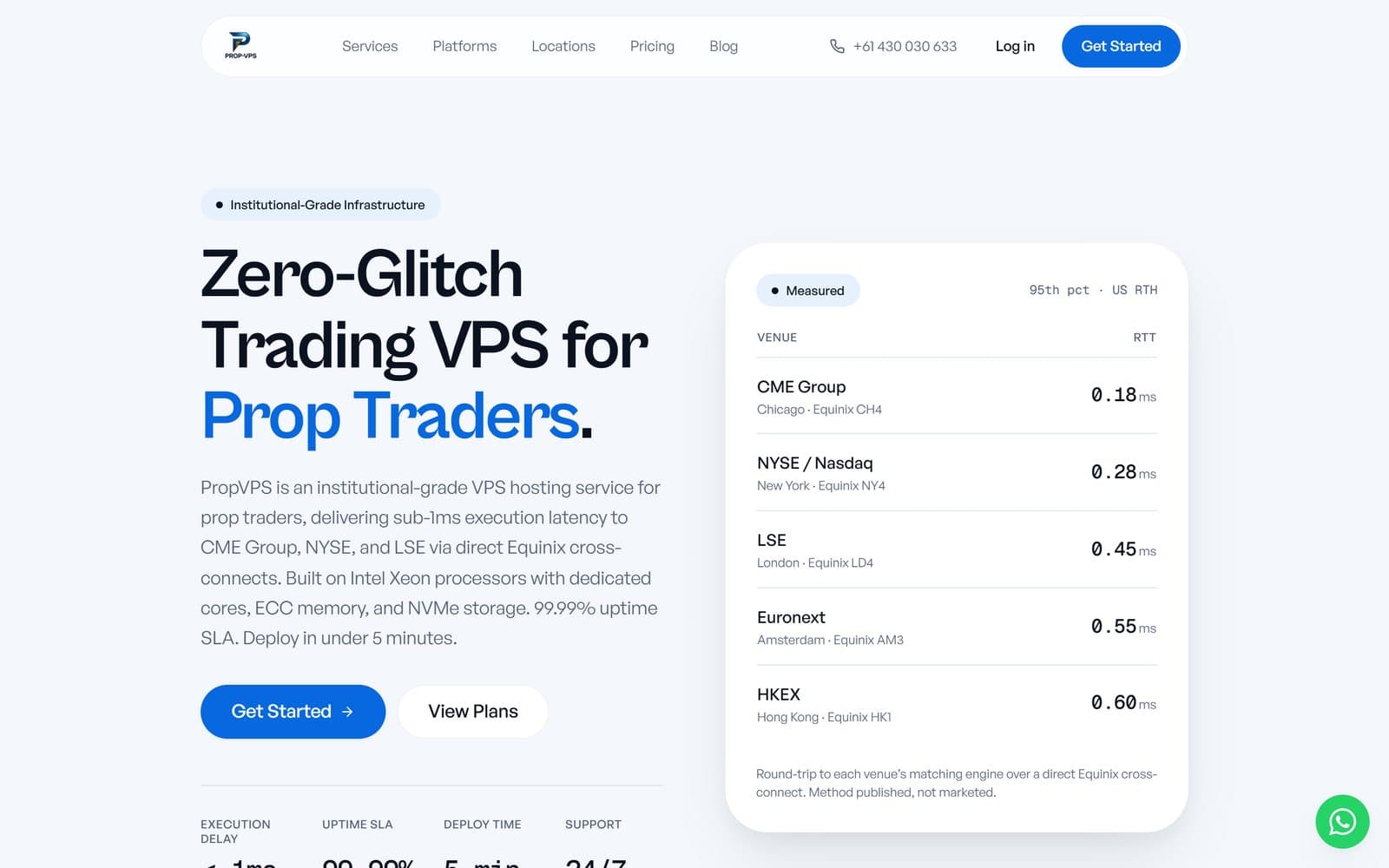
Stripe subscriptions that trigger automatic server provisioning.
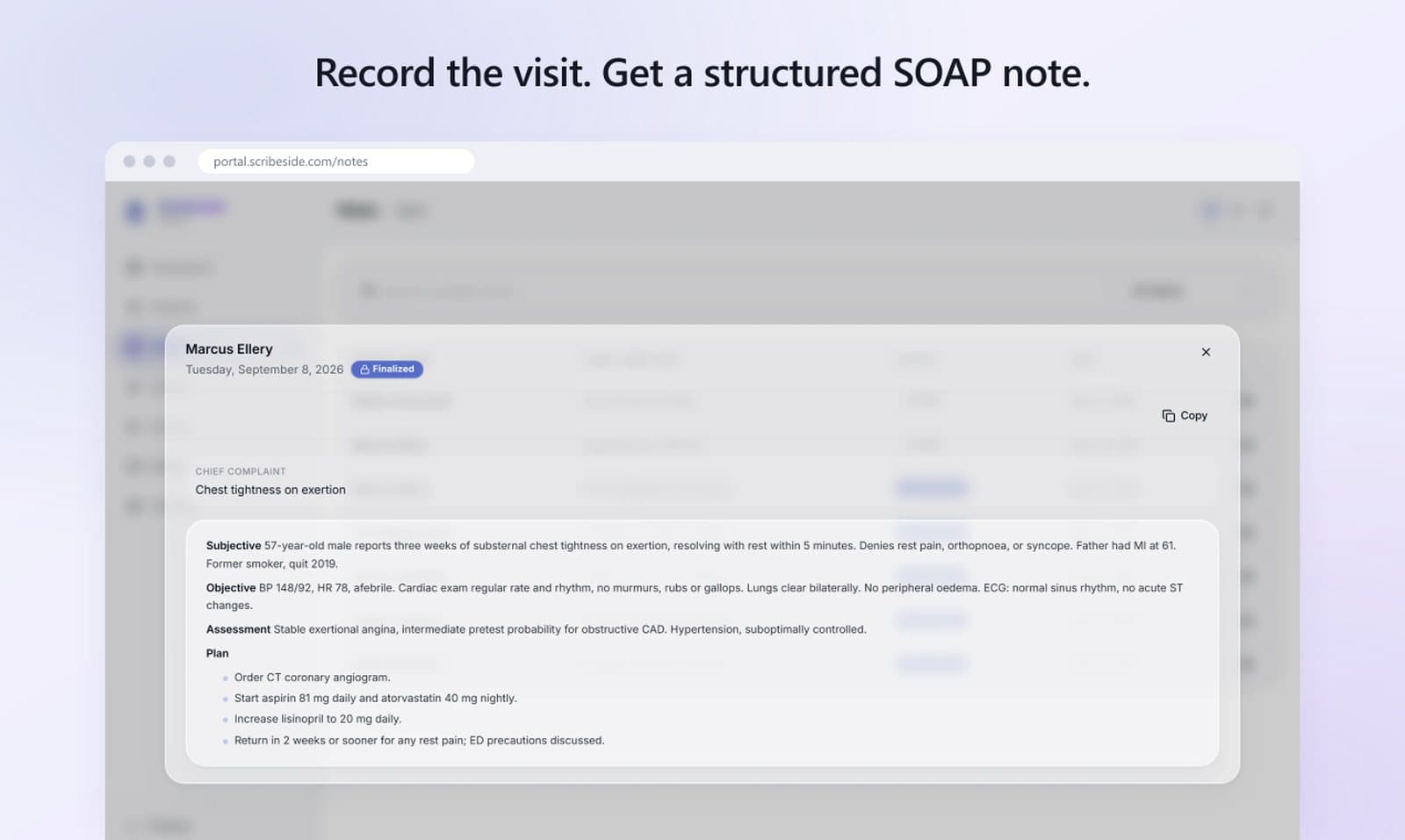
An AI medical scribe with two-factor login, audit logs and credit-based billing.
How it runs: Lift request, then Collision check, then Shareable plan.
Lift-planning software with a collision engine and PDF lift plans.
He has unfortunately ruined my standards for every other developer.
We agree core features, user roles, plans and what launch looks like, in a short written scope.
Repository, database, login, roles and per-customer data separation.
Each core feature ships to staging for you to try and give feedback.
Stripe wired in, critical flows tested, then deployed on your domain with a handover.
Straight answers. If yours is not here, ask me.
 Ask me directlyI read and answer every message.
They let me ship fast without cutting corners: proper login, row-level security and a PostgreSQL database that grows with you. Most of my larger products run on a custom Node.js and PostgreSQL backend instead, and I build that when the product needs it.
You get handover docs and a walkthrough, and I am available for ongoing work on the next set of features.
Send me your feature list. I will suggest what belongs in the first version and what can wait, then quote that scope.
After a short call I send a fixed quote for an agreed scope, so you know the cost before work starts. Larger builds are split into milestones.
Yes. The code lives in your repository and runs on your accounts. You own the code, the accounts and the data, so you are never locked in to me.
Guide5 min read
How to hire a full-stack developer for a startup: what the role covers, how to check real work, the questions that expose gaps, and how to structure pay.
Guide4 min read
What to fix before real users and payments hit a Lovable, Bolt or Replit app: database rules, secrets, Stripe webhooks, background jobs and deployment.
Summaries, drafting, voice-to-notes and document extraction, added to the product you already run.
Apps started in Lovable, Bolt, Replit or Cursor, rebuilt where it matters so they are secure and ready to scale.
One system for leads, calls, texts, contracts and follow-ups, shaped around your process.
Tell me about it. I’ll tell you straight whether AI is the right answer.
You’ll talk to me directly.On the call and in every message.
Or email hello@abdurrehman.dev