Scribeside
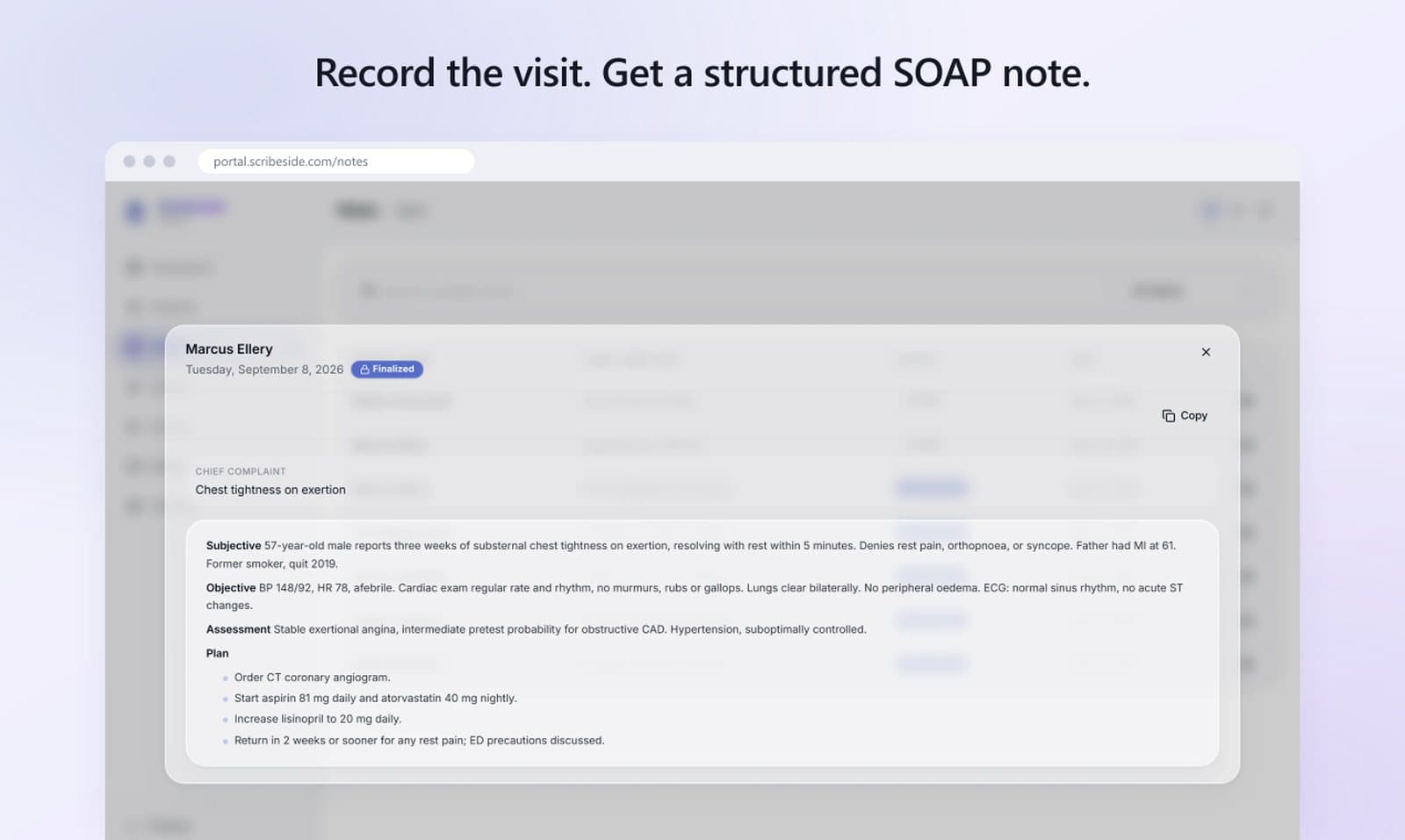
A recorded visit is transcribed and written up as a structured clinical note that streams onto the screen for the doctor to review.
Abdur Rehman is an AI developer who adds LLM features to existing products: summaries, reply drafting, voice-to-notes and document extraction, using Claude or OpenAI with streaming, usage limits and cost tracking. He built the AI pipeline behind Scribeside, which turns recorded patient visits into structured clinical notes.
Last reviewed
A working AI feature inside your app, admin panel or workflow, with streaming responses so it feels instant.
Instructions live in settings, not buried in code, so the behaviour can be tuned without a deploy.
Usage limits, cost tracking, logging and a fallback model, so one provider outage does not take your feature down.
Deployed to your infrastructure with keys kept on the server and setup notes for your team.
The ones that remove typing and reading your users already do. The most reliable wins are summarising long content, drafting text for a person to approve, turning speech into structured notes, and pulling fields out of documents.
These work well because a person stays in the loop. The AI does the first pass, and your user reviews it in seconds instead of writing it in minutes.
By choosing the smallest model that does the job, streaming the response so users see it immediately, caching what repeats, and capping usage per customer. Cost tracking is built in from the start, so you see what each feature costs before it surprises you.
Claude and OpenAI directly, or many models through OpenRouter. For voice I use speech-to-text services such as Deepgram and Whisper. I pick based on your task, speed and budget, and keep the provider swappable.
A recorded visit is transcribed and written up as a structured clinical note that streams onto the screen for the doctor to review.
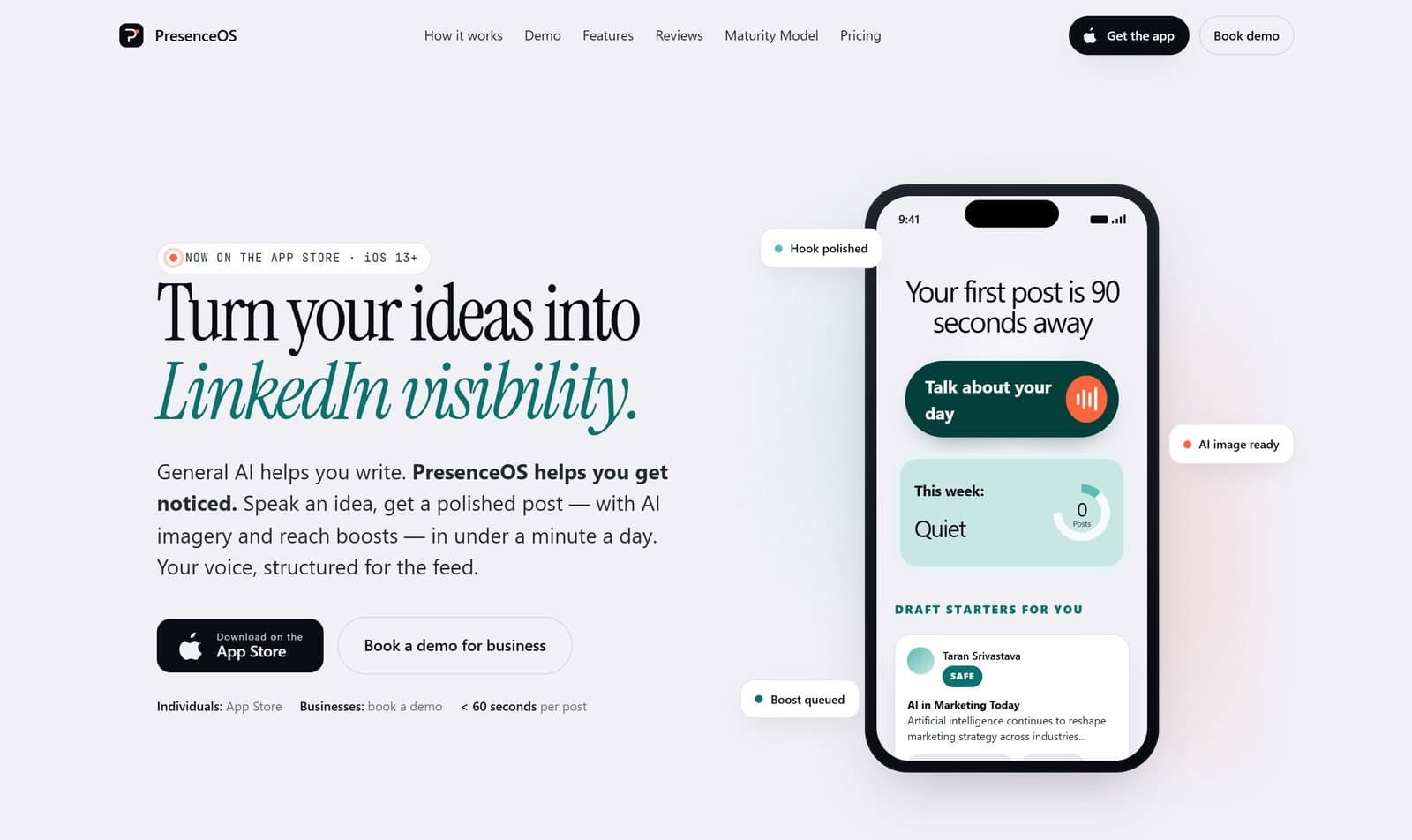
AI drafts on-brand posts for each employee, inside the rules the company sets.
He is incredibly proactive, catches edge cases most developers miss, and genuinely cares about the success of the business he is building for.
We choose one feature with a clear payoff and agree what good output looks like.
I test models and prompts on your own examples and share results early.
Streaming, limits, logging and error handling, wired into your existing app.
Deployed on your accounts with notes on how to tune and monitor it.
Straight answers. If yours is not here, ask me.
 Ask me directlyI read and answer every message.
Yes. I add the feature to your app as it is, following your stack and conventions, rather than asking you to move to mine.
AI usage is billed by the model provider. I add usage limits and cost tracking so you can see and cap your spend.
After a short call I send a fixed quote for an agreed scope, so you know the cost before work starts. Larger builds are split into milestones.
Yes. The code lives in your repository and runs on your accounts. You own the code, the accounts and the data, so you are never locked in to me.
Guide5 min read
A practical, first-hand guide to building an AI agent: define one job, design the tools, limit its power, test on real examples and control cost.
Agents that use your tools and data, take approved actions and hand off to people when it matters.
AI-native products built to take paying customers from the first release.
Tell me about it. I’ll tell you straight whether AI is the right answer.
You’ll talk to me directly.On the call and in every message.
Or email hello@abdurrehman.dev