PropVPS
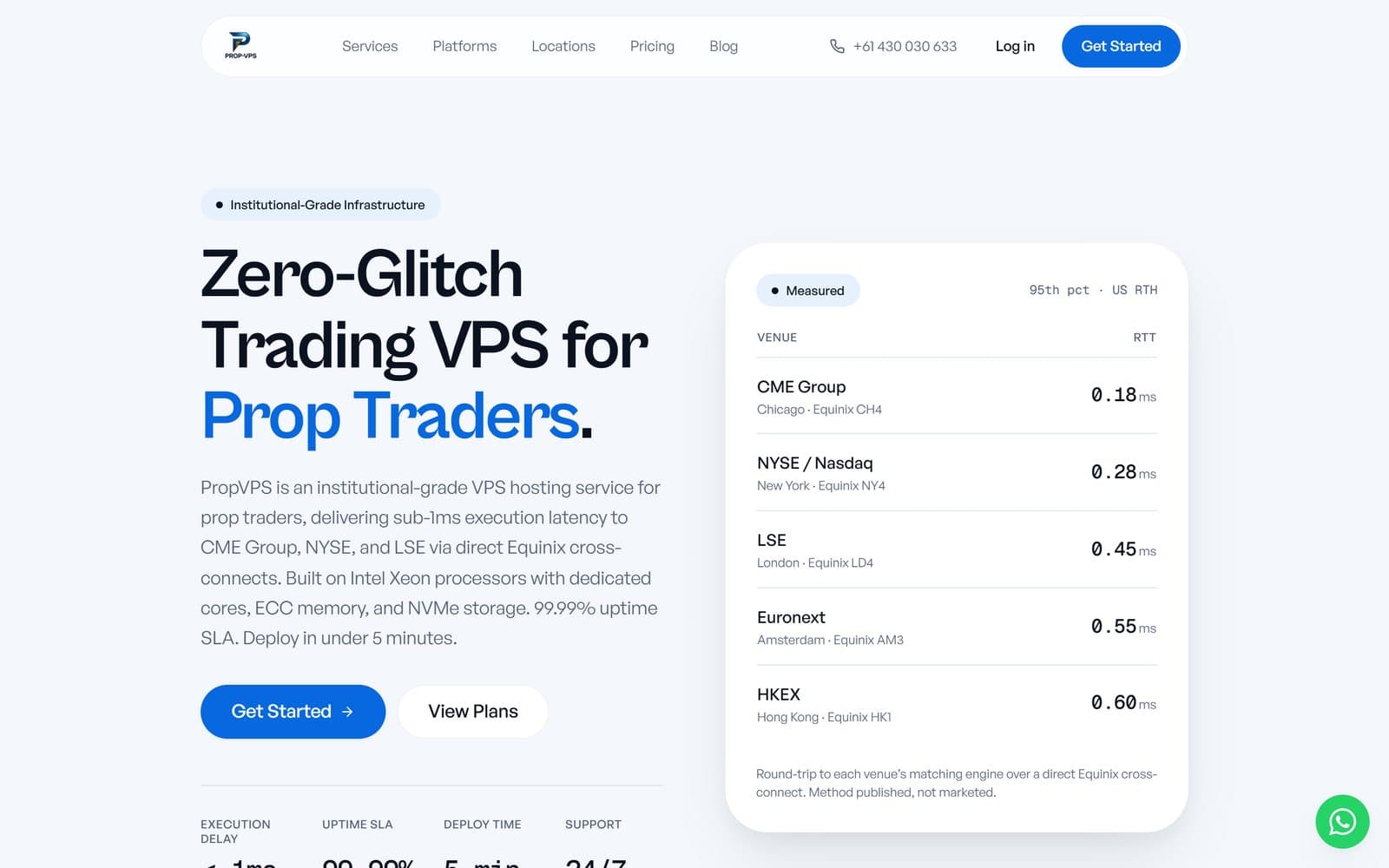
Started as a Lovable prototype. Now a live platform with Stripe subscriptions, automatic server provisioning and encrypted credentials.
Abdur Rehman is a Lovable developer who takes apps built with Lovable, Bolt, Replit or Cursor to production. He reviews security, data, login, payments and deployment, then fixes what matters most. PropVPS began as a Lovable prototype and is now a live platform with Stripe billing and automatic server provisioning.
Last reviewed
The first step, and useful on its own: security, data model, login, payments, API connections and deployment, written up as a prioritised list of what to fix first and why.
Database rules and roles, login flows, Stripe checkout and webhooks, and background jobs that do not time out.
Sign-up, login, permissions and payments checked end to end, on a staging copy where possible.
When you are ready: your own repository and hosting, with the weak parts rebuilt properly and the good parts kept.
Yes, and often sooner than people expect. The interface and product thinking usually carry over. What needs real engineering is everything that touches security, money and data: database access rules, login and roles, payment webhooks, secrets, and jobs that run in the background.
I keep what works and rebuild only the weak parts, so you do not pay twice for features that already do their job.
The same few things. They are easy to miss because the app looks finished.
It is a fixed-scope first step. I go through the app’s security, data, login, payments and deployment, and you get a written, prioritised list of what to fix and why, in plain language.
You can act on it with me, hand it to your own developer, or decide the app is fine as it is. Either way you know where you stand before real customers arrive.
Less than you would think. The risks are the same everywhere: who can read what, where the secrets live, whether payments are recorded properly, and how the app is deployed.
No. I can fix things while you stay on Lovable, Bolt or Replit. When the product outgrows it, I move the app to your own repository and hosting, and you keep full ownership.
Started as a Lovable prototype. Now a live platform with Stripe subscriptions, automatic server provisioning and encrypted credentials.
Abdur always replied very fast with clear and detailed answers, which was the most important part for me.
You show me the app and the flows that matter most: sign-up, payments and your core feature.
You get a prioritised list of risks and fixes, in plain language.
Starting with anything that exposes data or breaks payments, with each change explained.
Critical flows tested end to end, deployed, with notes on what changed and what to watch.
Straight answers. If yours is not here, ask me.
 Ask me directlyI read and answer every message.
Apps built with Lovable, Bolt, Replit or Cursor, and most React or Next.js apps using Supabase. Not sure? Send me a link and I will take a look.
Usually not. I keep what works and fix or rebuild only the weak parts, so you do not pay twice for features that already work.
I work on a staging copy where possible, keep your keys private, and check database rules and permissions before anything goes live.
After a short call I send a fixed quote for an agreed scope, so you know the cost before work starts. Larger builds are split into milestones.
Yes. The code lives in your repository and runs on your accounts. You own the code, the accounts and the data, so you are never locked in to me.
Guide5 min read
Two ways to get your code out of Lovable, what the download does not include, and the steps to run, host and keep building the app on accounts you own.
Guide5 min read
Lovable the platform is secure. The app it generates for you may not be. What to check before launch: data rules, secret keys, login and payments.
Guide4 min read
What to fix before real users and payments hit a Lovable, Bolt or Replit app: database rules, secrets, Stripe webhooks, background jobs and deployment.
Senior technical leadership for startups and small teams, from someone who still builds.
Summaries, drafting, voice-to-notes and document extraction, added to the product you already run.
AI-native products built to take paying customers from the first release.
Tell me about it. I’ll tell you straight whether AI is the right answer.
You’ll talk to me directly.On the call and in every message.
Or email hello@abdurrehman.dev